Interior Design Themes & Ideas for Malaysian Residential
Malaysia’s diverse cultural heritage and tropical climate heavily influence residential interior design. Here are some popular themes and ideas suitable for homes in Malaysia:
1. Modern & Minimalist:
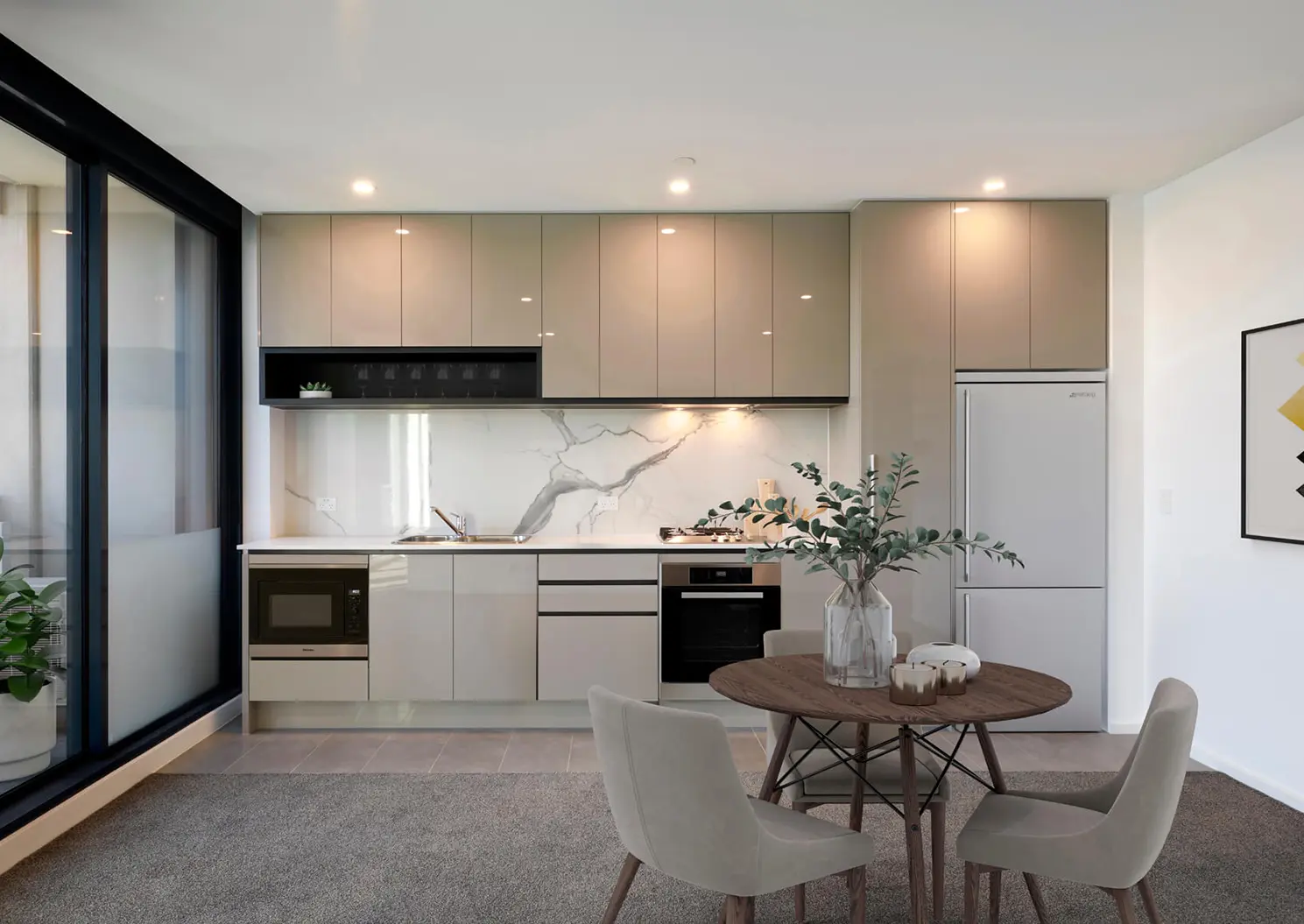
- Concept: Focuses on simplicity, clean lines, functionality, and a clutter-free environment. Inspired by Japanese design and Zen philosophy.
- Malaysian Adaptation: Often incorporates natural wood tones and a neutral color palette (beiges, grays, whites) to create a calm and spacious feel, while allowing natural light to flood the space. Minimal artwork and essential furniture pieces are key.
- Why it works in Malaysia: Promotes a sense of calm and reduces visual “heaviness” which is good for a warm climate. Easy to maintain.
2. Contemporary:
- Concept: “Current” design that often blends elements from modern and minimalist styles. Characterized by sleek furniture, sophisticated color combinations, and a focus on clean lines and textures.
- Malaysian Adaptation: Can incorporate subtle local influences through textures or a few well-chosen decorative items, but generally maintains a universal, up-to-date aesthetic.
3. Tropical/Modern Tropical:
- Concept: Embraces the lush, natural surroundings of Malaysia. Focuses on bringing the outdoors in, creating a relaxed, breezy, and comfortable atmosphere.
- Materials: Extensive use of natural materials like wood (especially local timber like rattan and bamboo), stone, and organic fabrics.
- Colors: Earthy tones (greens, browns, sandy beiges, terracotta) with pops of vibrant, natural colors found in tropical flora.
- Elements: Abundant indoor plants, vertical gardens, large windows to maximize natural light and ventilation, open layouts, and water features.
- Furniture: Plush, comfortable furnishings with soft textiles. Outdoor-inspired furniture can be used indoors.
- Why it works in Malaysia: Directly responds to the climate, creating cool, airy, and inviting spaces that feel connected to nature.
4. Industrial:
- Concept: Focuses on raw, unfinished elements, giving a “warehouse” or “loft” aesthetic. Exposed brick, concrete, metal, and visible pipes or ducts are common.
- Malaysian Adaptation: While often seen in commercial spaces, it’s gaining popularity in residential homes. Uses neutral tones (grays, browns) with pops of darker colors. Blends modern and vintage elements.
- Why it works in Malaysia: Offers a unique, urban edge and a durable aesthetic.
5. Scandinavian:
- Concept: Emphasizes simplicity, functionality, and a connection to nature. Characterized by white walls, light wood, neutral palettes with subtle pops of color, natural textures, and a lack of excessive ornamentation.
- Malaysian Adaptation: While originating from colder climates, its emphasis on natural light, clean lines, and a cozy yet uncluttered feel makes it adaptable. Can be combined with tropical elements for a unique blend.
6. Fusion of Modern & Traditional Malaysian Elements:
- Concept: A growing trend that beautifully marries contemporary aesthetics with Malaysia’s rich cultural heritage.
- Motifs & Patterns: Incorporating traditional motifs like awan larat (scroll-like patterns) or pucuk rebung (bamboo shoot designs) in tile work, etched glass, fabric prints (curtains, upholstery), or carved wood panels.
- Textiles: Using batik or songket fabrics as framed wall art, pillow covers, or fabric wall panels to add cultural continuity and visual appeal.
- Craftsmanship: Showcasing locally crafted furniture and home decor items.
- Architecture: Reinterpreting traditional elements like the serambi (veranda) with raised decks or patios for seamless indoor-outdoor transitions.
- Materials & Colors: Combining warm teak wood and deep browns with neutral modern tones like white or soft grey.
- Why it works in Malaysia: Creates a unique identity for the home, celebrating local culture while maintaining a modern, comfortable living space.
Key Considerations for Malaysian Homes:
- Climate: The hot and humid climate influences material choices (e.g., opting for tiles or polished concrete over thick carpets) and design elements that promote good ventilation and natural cooling.
- Natural Light: Maximizing natural light is crucial, not only for energy efficiency but also to brighten spaces.
- Open Concept: Open layouts are popular for enhancing spaciousness and improving air circulation.
- Durability and Low Maintenance: Given the climate and lifestyle, homeowners often prefer materials and finishes that are easy to clean and maintain.
- Biophilic Design: Integrating natural elements like plants and water features is gaining significant traction for its aesthetic appeal and well-being benefits.
- Multi-functional Spaces: With changing lifestyles, designs that allow spaces to adapt to various uses (e.g., work-from-home setups) are becoming more important.
When choosing an interior design theme, consider your personal style, the architecture of your home, and how you want the space to feel and function. Many Malaysian homes successfully blend elements from different styles to create a truly unique and comfortable living environment.